
Well, this was a very light activity day for yours truly. I skipped the Home Hosted visit, choosing to remain on board the ship (so did Peg) as it repositioned itself on the opposite bank for the returning excursioneers. Rob & Nancy did go on the trip and came back raving about the Home Hosted segment and, in particular, their effervescent and huggy hostess.
The Home Hosted visit
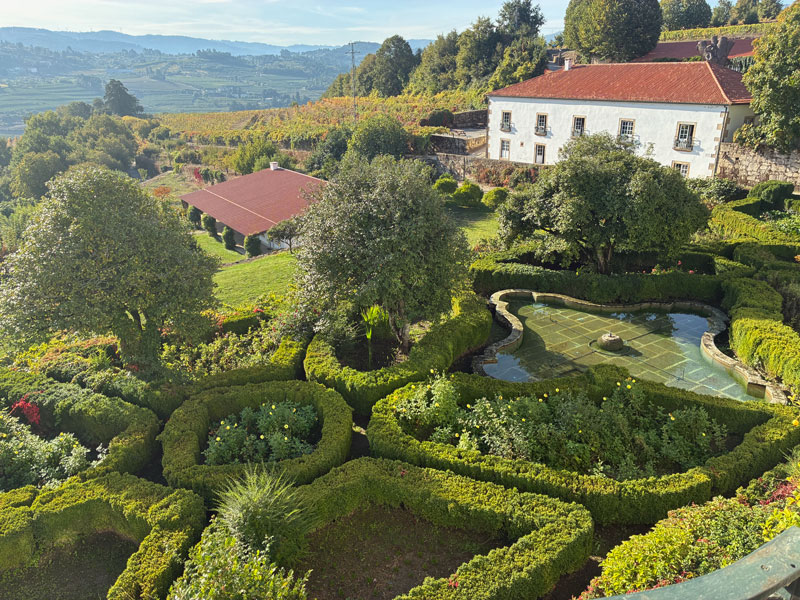
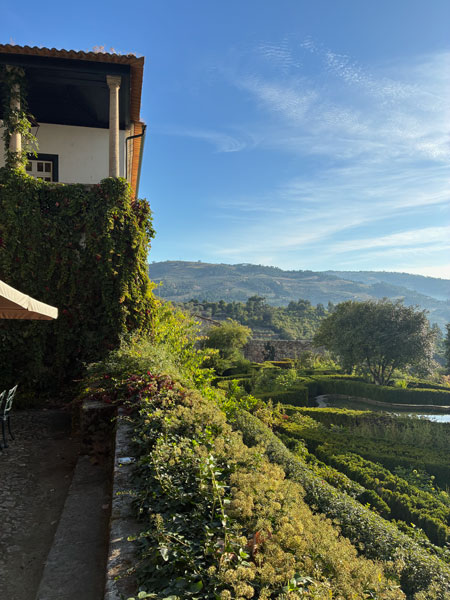
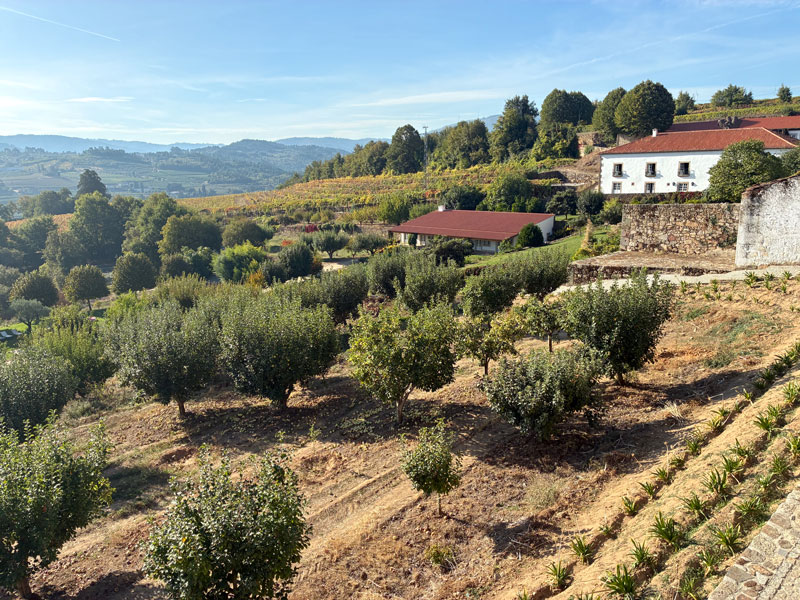
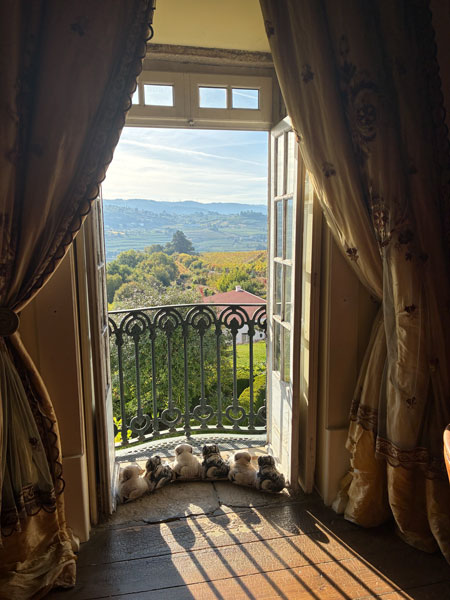
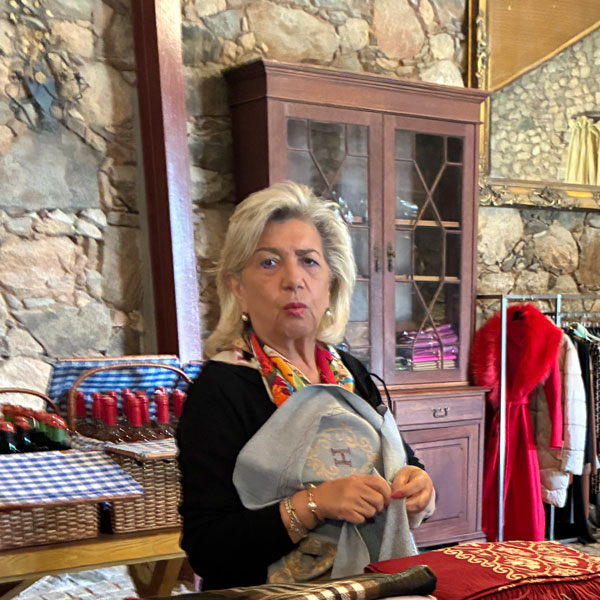
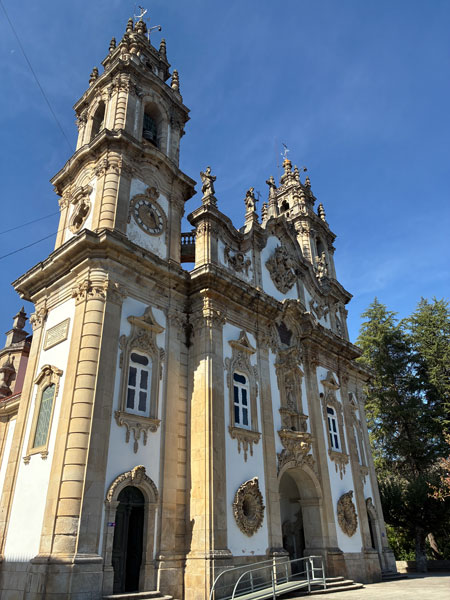
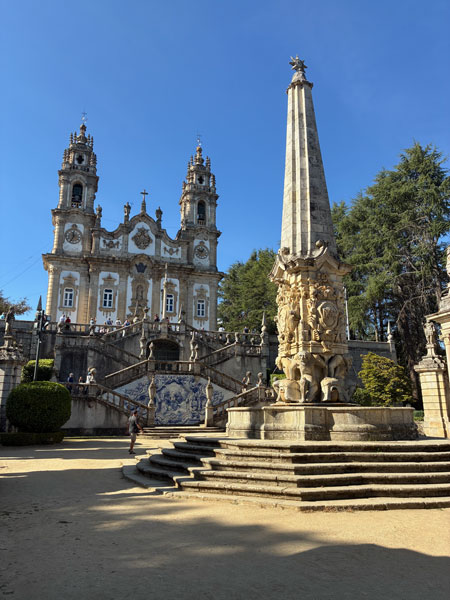
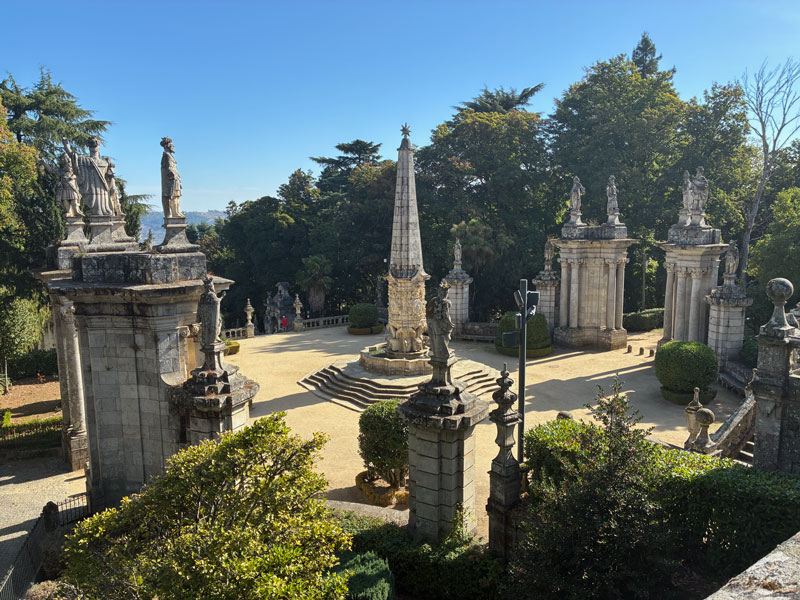
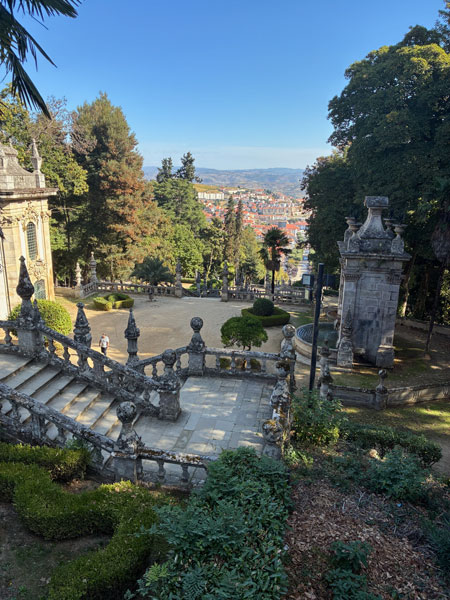
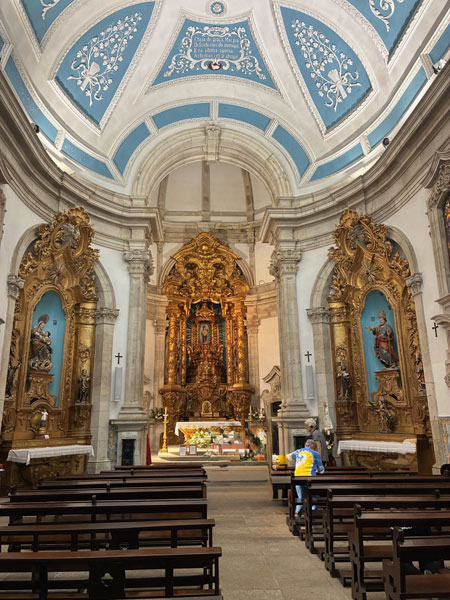
After leaving Ms. Maria’s complex, a visit was made to a hilltop church with a very long name in the nearby town of Lamego before the group returned to the ship.
Church of Our Lady of the Afflicted (Santuário de Nossa Senhora dos Remédios)
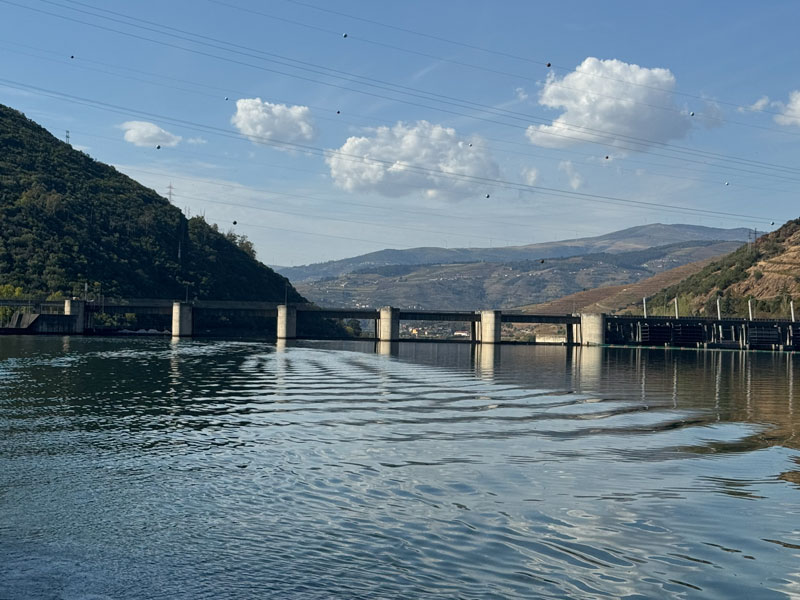
Once all passengers and crew members were back on board–and lunch was consumed–we traversed another navigation lock (this one at the Bagaúste Dam) before entering a long serpentine stretch of the Douro with large quintas (wine estates) situated up and down both banks.
Quintas on the Douro
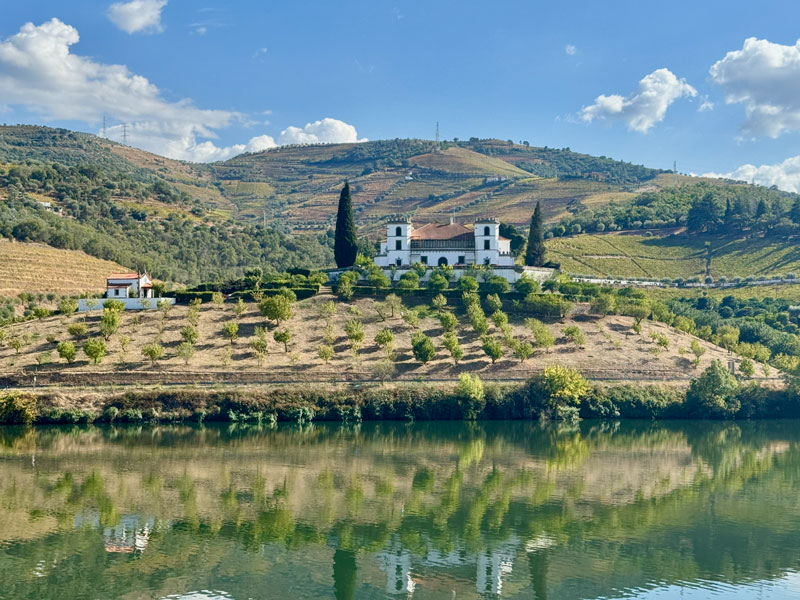
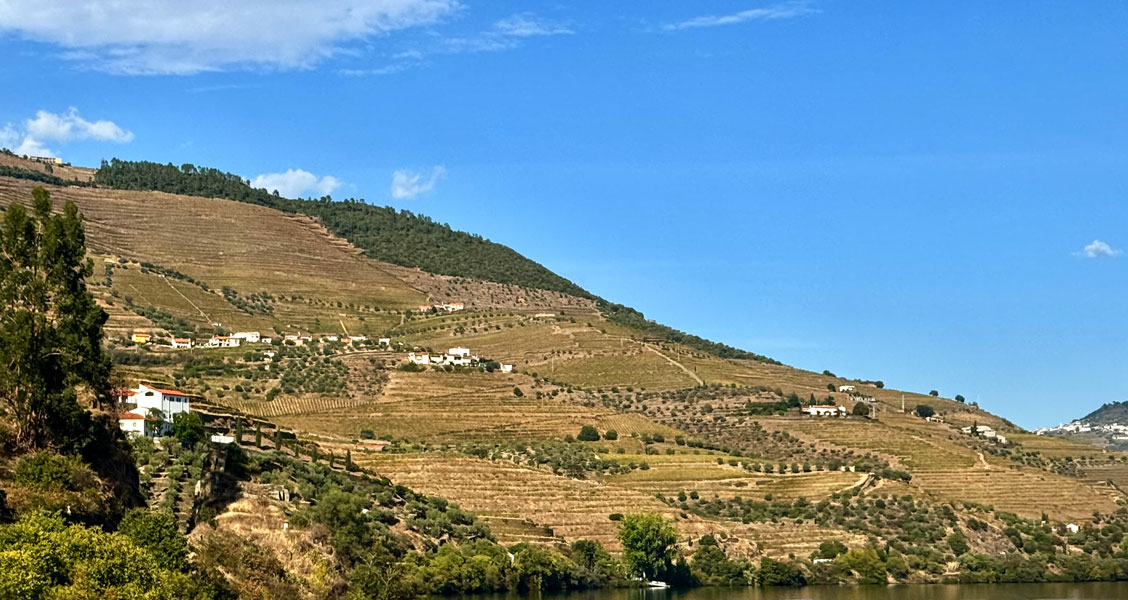
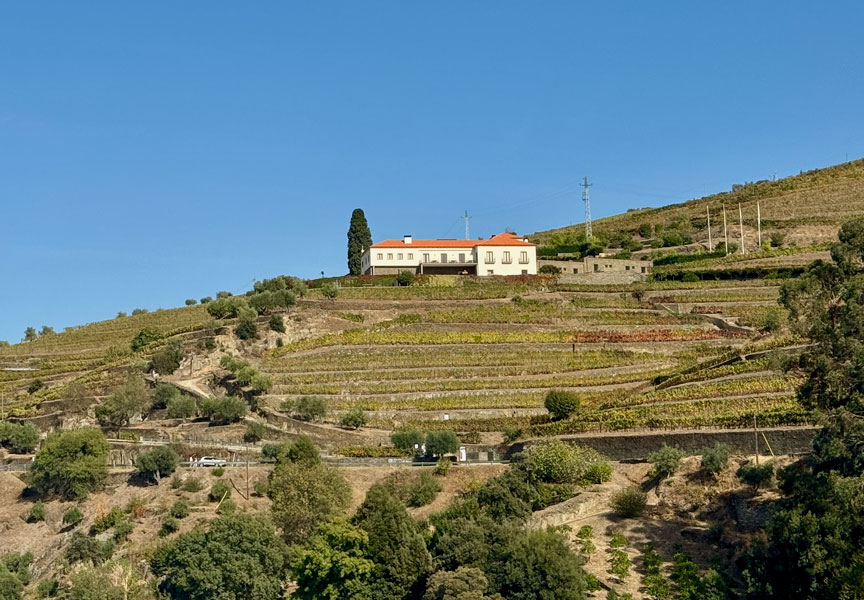
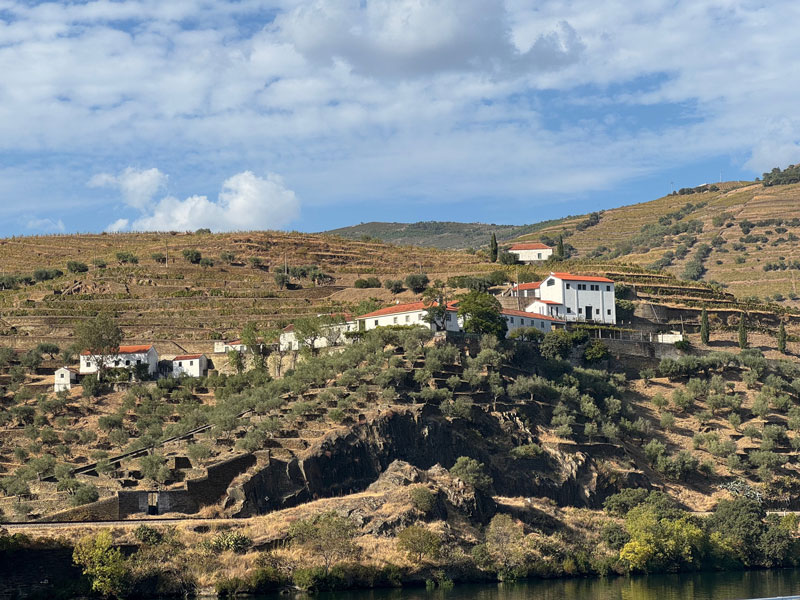
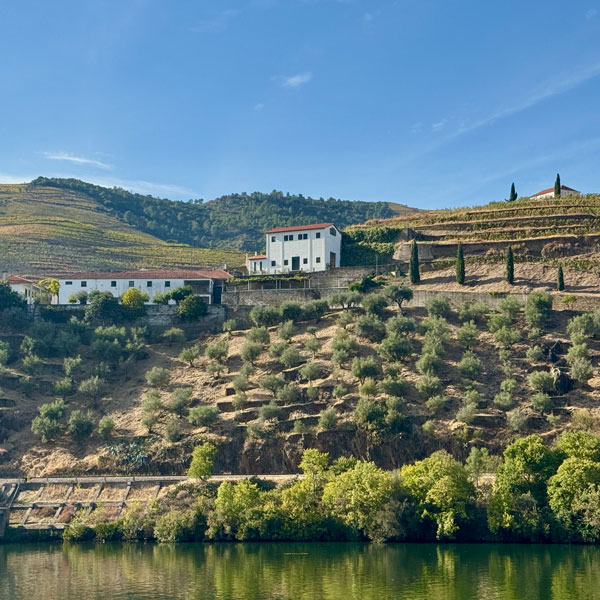
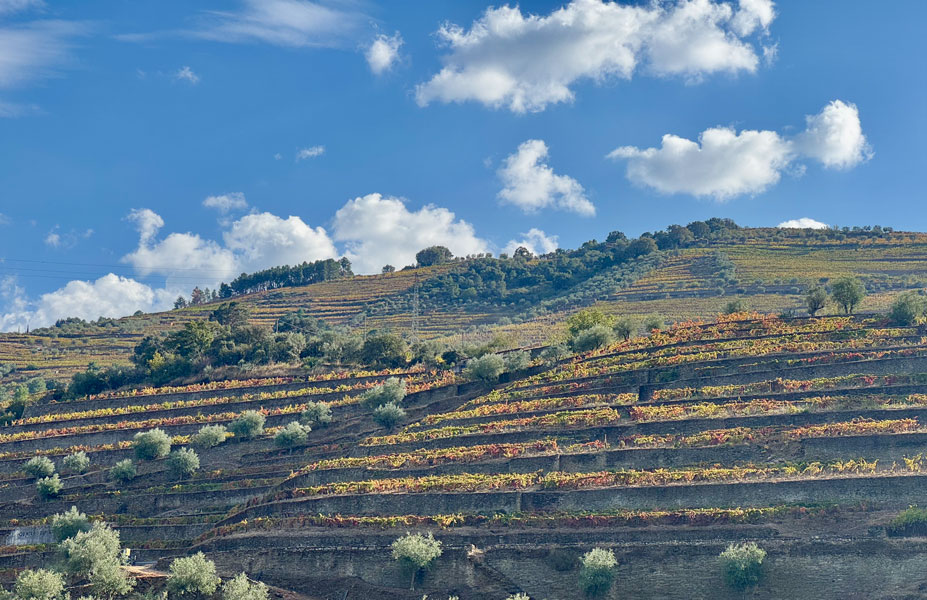
It is unfortunate that we are passing through the region post-harvest. However, even the end-of-season brings its own beauty to the region with the undulating vineyards–some with vibrant autumn colors on the remaining leaves–winding throughout the hillsides, defining the curving, steep slopes with their regimented rows. Occasionally, one is given a hint that, between the rows of vines, there is a concealed switchback road, identifiable by the occasional moving vehicle seen taking the road’s sharp turns or peeking out above the grapevines.
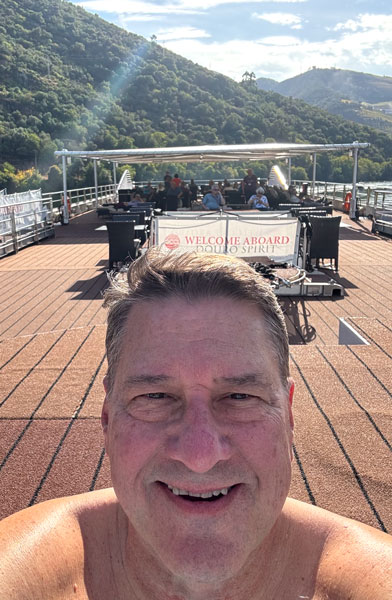
Meanwhile, the beautiful scenery under the warm, sunny October sky inspired me to take a dip in the ship’s pool, a 2-½’ deep rectangle of perfectly temperate water, that only added to the relaxing ambiance as our ship sailed through the weaving river valley to our next overnight stop, Pinhão.
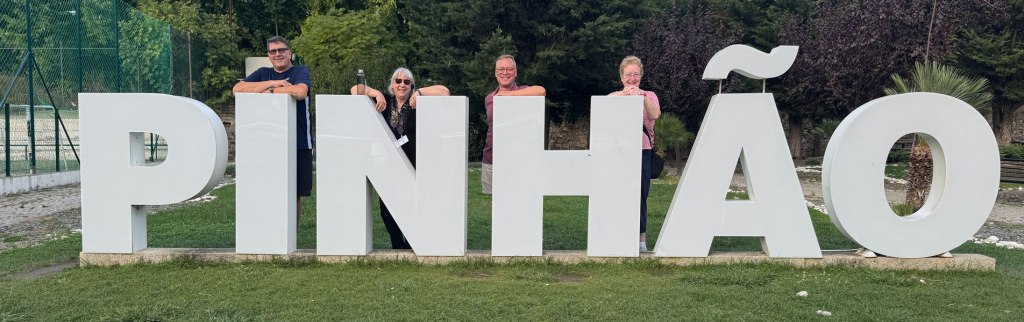
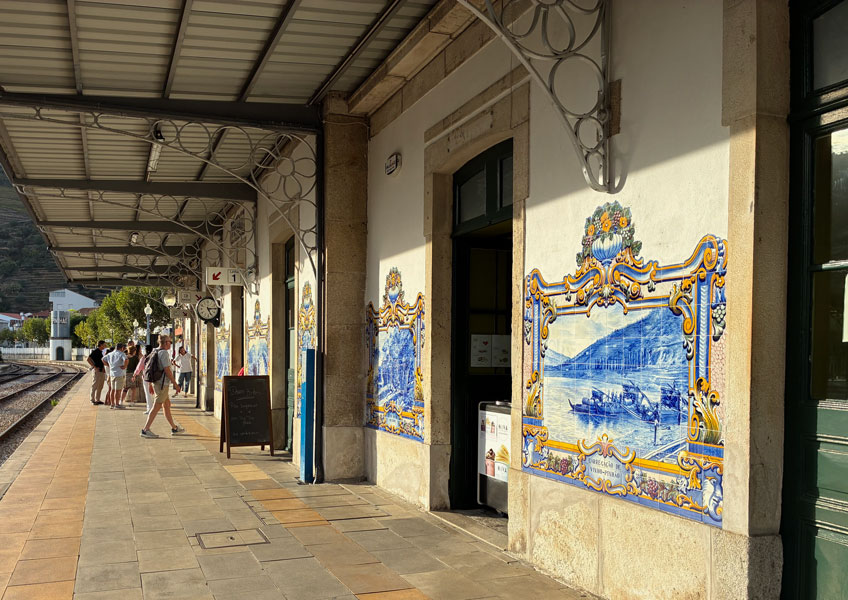
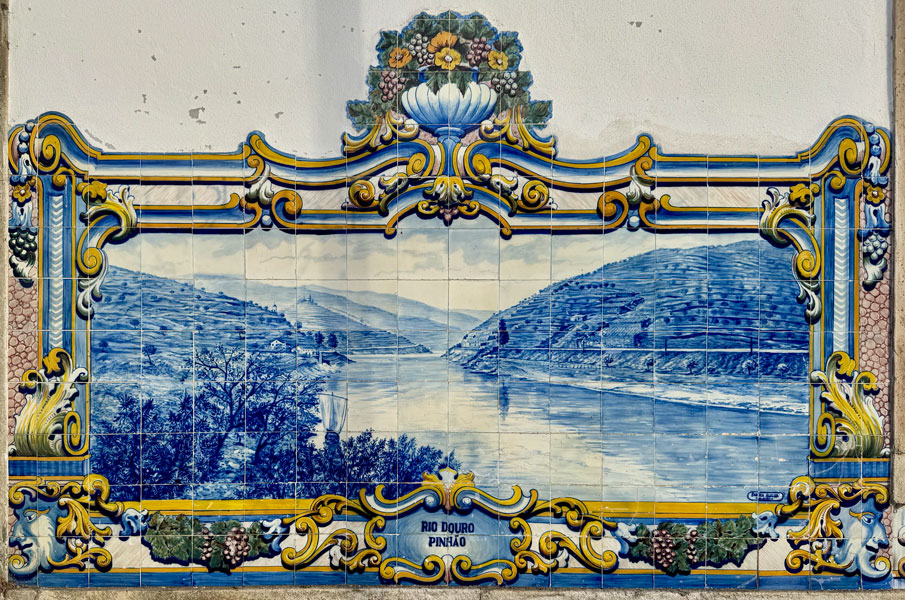
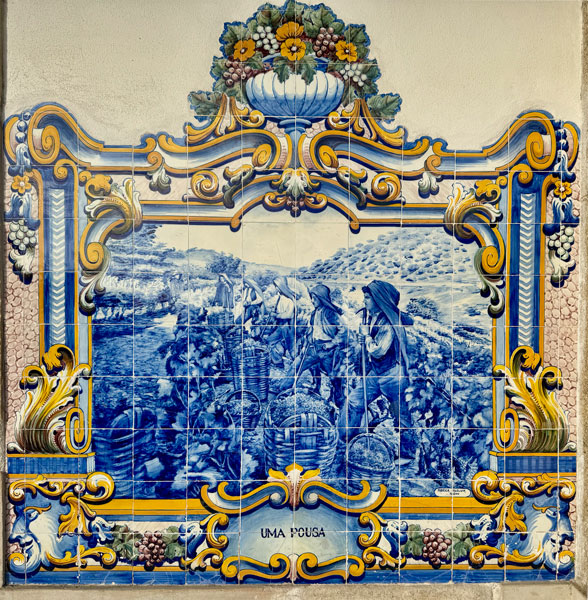
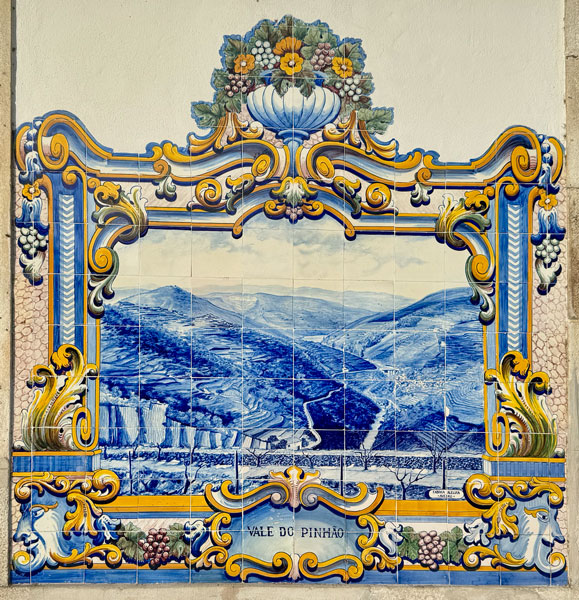
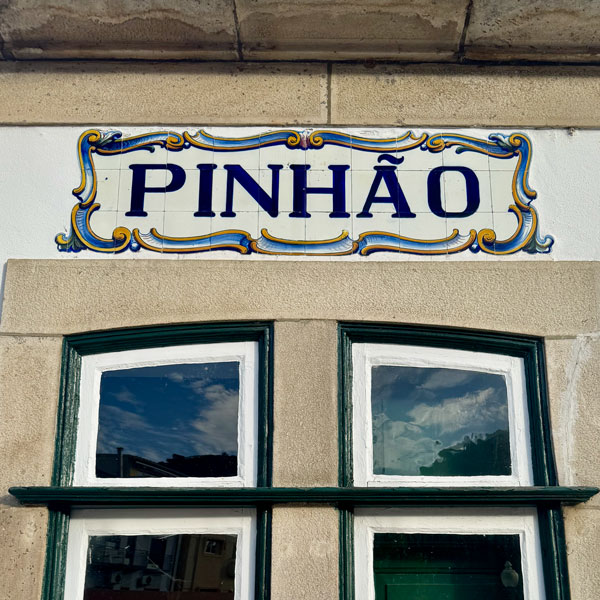
Pinhão is a small village (Joana mentioned there were just 220 inhabitants! Or, at least, that’s the figure I heard.) with not a lot to recommend it…unless you’re in the market for abandoned houses. They do have a railway station that is completely wrapped in tiles illustrating Pinhão’s wine-producing heritage. The ornately-framed tile graphics include numerous panoramic views of the region interspersed with production-specific images depicting the process from harvest to transportation required to produce wine. While the work was strictly segregated as mens’ work or womens’ work, both were labor-intensive and strenuous.
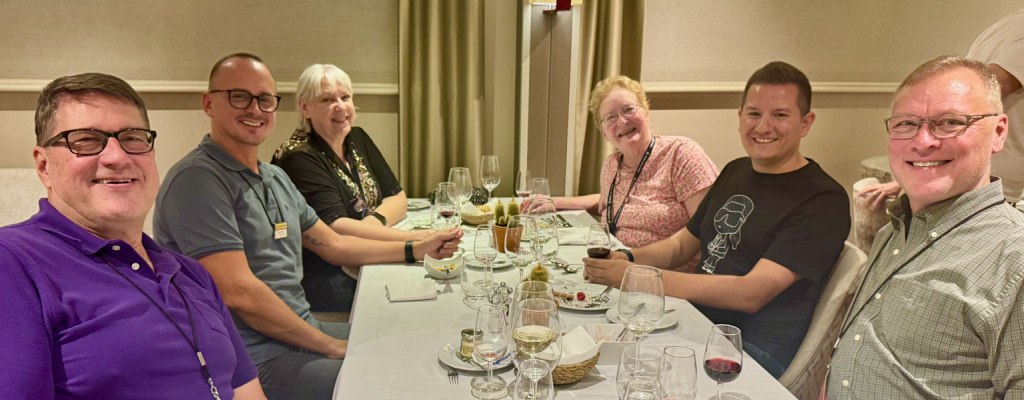
Joining us for dinner tonight were two of the younger (if not youngest) folks on the trip: Karol (l.) and Donato (r.). Karol is a Grand Circle V.P. who is examining how well this new river cruise is operating during its inaugural year. Donato is on vacation.
 Portugal: Lisbão to Oporto